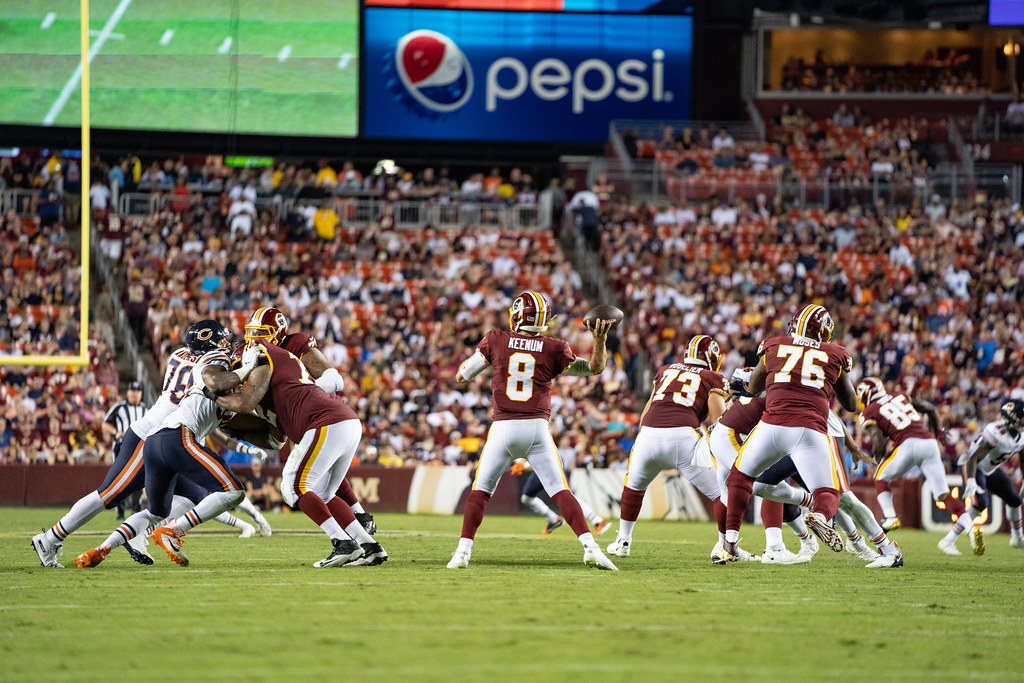

Monday Night Football: Tradition Meets Transformation
Since its debut on September 21, 1970 on ABC, Monday Night Football has been one of the most iconic fixtures in U.S. sports television. The game that night saw the Cleveland Browns defeat the New York Jets, but more importantly, it marked the birth of prime-time football as a weekly ritual. Created by NFL Commissioner Pete Rozelle, the idea was to reach a wider audience and bring the excitement of NFL action into the evening hours.
The show pioneered many broadcast innovations — split-screen graphics, handheld cameras, end-zone shots — transforming football from just a sport into a spectacle.
Evolution & Broadcast Rights
From 1970 to 2005, ABC was the home of MNF.
In 2006, the broadcast rights moved to ESPN, also a Disney company like ABC, though select games remained simulcast on ABC.
The current rights deal runs through the 2033 season, and includes features such as doubleheaders, simulcasts, streaming options, and the flexibility to adjust scheduling.
What’s New in 2025
Several noteworthy changes and developments are shaping Monday Night Football this season:
Doubleheaders: Week 2 features a MNF doubleheader: Tampa Bay Buccaneers vs. Houston Texans early in the evening, followed by Los Angeles Chargers vs. Las Vegas Raiders later. This is part of an extended package under the new broadcast deal.
Streaming & Channel Options: Games will air on ABC and ESPN, with some exclusive games via ESPN+. Streaming is increasingly central for fans who prefer watching on mobile or non-traditional platforms.
Broadcast Personnel: Laura Rutledge has been promoted to ESPN’s top sideline reporter for MNF. She’ll be reporting throughout the season, including for playoff games and other marquee matchups.
Cultural Moves: Rapper Saweetie has become ESPN’s first female Monday Night Football music curator, a symbolic shift bringing more voice and diversity to the broadcast’s crossover with entertainment.
Why It Still Matters
Television & Pop Culture Icon: MNF is not just a football game; it’s become part of how sports, media, and culture intersect. It remains one of the most watched primetime sports programs.
Platform for Storytelling: Since it airs in prime time, MNF has higher stakes — big matchups, player narratives, coaching rivalries. The game often influences how the rest of the week is discussed among fans and analysts.
Media and Business Shifts: With changing rights, streaming, simulcasting, and broader broadcast strategies, MNF is a case study in how sports media must adapt to survive and thrive.
Watch for These Key Matchups & Themes
The Week 2 doubleheader is already generating buzz — Chargers vs Raiders especially, with storied coaching names and fan interest.
How well new broadcast innovations (streaming, alternate content, music curation) are received by both hardcore fans and more casual viewers.
The impact of sideline reporters and personalities in connecting audiences, especially with new faces like Laura Rutledge stepping up. Monday Night Football is no longer just about the game—it’s about spectacle, media innovation, and cultural resonance. As 2025 rolls on, it’s becoming clear that MNF wants to be more than tradition; it wants to set the tone for the future of sports broadcasting.